Introduction
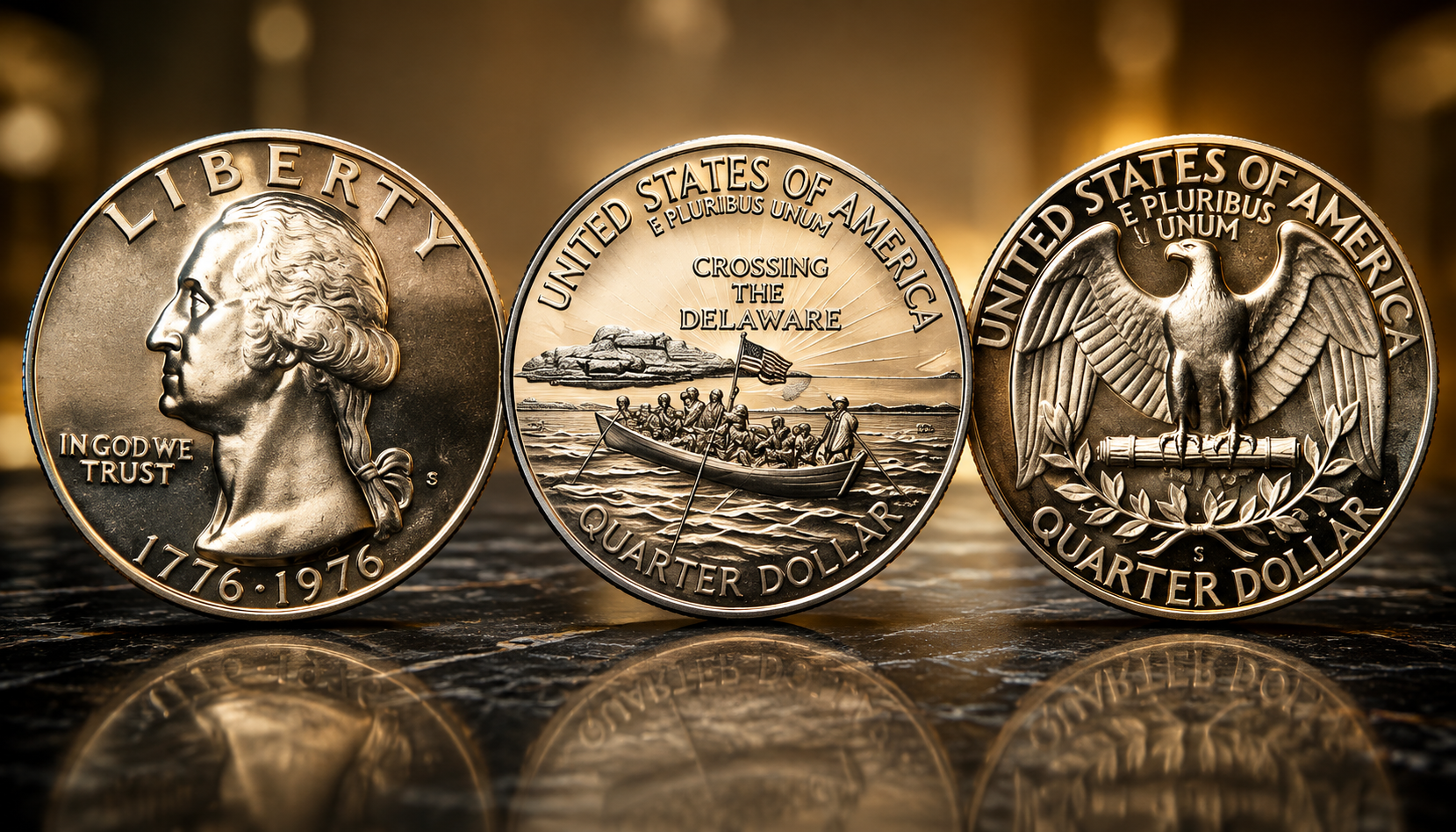
The idea of finding a multimillion-dollar coin in an old collection, pocket, or inherited coin jar is certainly appealing. Bicentennial quarters, dated 1776–1976, are especially popular because they were issued to commemorate the 200th anniversary of American independence. However, headlines claiming that a Bicentennial quarter is worth $3 million, or that six other quarters are each valued above $30 million, should be approached with considerable caution. Extraordinary coin values require extraordinary evidence, including authentication, condition reports, provenance, and documented auction sales. Here are six important points collectors should understand before assuming that a Bicentennial quarter—or another rare quarter—is worth a fortune.
1. The $3 Million Bicentennial Quarter Claim Needs Verification
A 1976 Bicentennial quarter is not automatically worth millions simply because it carries the special dual date, 1776–1976. Millions of Bicentennial quarters were produced, making ordinary examples relatively accessible to collectors. A genuinely exceptional specimen could be more valuable if it possesses a recognized minting error, unusual variety, exceptional condition, or other characteristic that separates it from normal examples. However, a specific claim that a Bicentennial quarter is worth $3 million should not be treated as established fact without a documented sale or credible professional valuation supporting that figure. Collectors should distinguish between an advertised asking price and an actual completed transaction.
2. Condition Can Make a Major Difference
The condition of a coin is one of the most important factors affecting its collectible value. Two quarters with the same date and mint mark can have very different values if one has extensive scratches, wear, discoloration, or other damage while the other has been exceptionally preserved. Professional grading services assess coins according to established standards and can authenticate potentially valuable pieces. For a Bicentennial quarter, an unusually high-grade example may attract more attention than an ordinary circulated coin. Nevertheless, a high grade alone does not automatically turn a common quarter into a multimillion-dollar rarity. Value depends on the combination of condition, rarity, demand, and documented market evidence.
3. Genuine Mint Errors Can Make a Quarter More Interesting
Collectors often pay close attention to genuine minting errors because they can make an otherwise familiar coin unusual. Errors can occur during different stages of production and may involve the planchet, dies, striking process, or other manufacturing stages. A quarter that appears strange, however, is not necessarily an error. Damage that occurs after the coin leaves the U.S. Mint can sometimes create unusual shapes, markings, or surfaces that may look impressive but have little additional numismatic value. Anyone who believes a Bicentennial quarter contains a significant mint error should consider having it examined by an experienced numismatist or recognized grading service before accepting an extraordinary valuation.
4. Claims About Six Quarters Worth More Than $30 Million Require Strong Evidence
The statement that six additional quarters are each valued at more than $30 million is an extraordinary claim and should not be presented as an established fact without reliable documentation. Some rare American coins have achieved very high prices at major auctions, but individual records vary significantly by denomination, rarity, condition, provenance, and collector demand. A coin appearing on an online marketplace with a $30 million asking price does not demonstrate that someone would actually pay that amount. For a valuation of this magnitude, collectors should look for independently documented auction results, reputable numismatic references, professional authentication, and clear information about the specific coin involved.
5. Check the Date, Mint Mark, and Overall Appearance
Anyone examining an old quarter should begin with basic identification rather than immediately focusing on a headline valuation. On a Bicentennial quarter, the distinctive 1776–1976 date identifies the commemorative issue, while the mint mark can provide additional information about where the coin was produced. Collectors should also inspect the coin for unusual characteristics without attempting to alter or clean it. Magnification and good lighting can help reveal details, but unusual-looking features should be verified by an expert. The presence of the Bicentennial design alone does not establish rarity, so identification should always come before valuation.
6. Professional Authentication Is Important for Extraordinary Coins
If a coin appears to have an unusual error, extremely high grade, or another potentially rare characteristic, professional authentication can be particularly important. Established grading services can examine a coin, verify its authenticity, and provide a standardized assessment of its condition. This documentation can be useful when a valuable coin is sold through a reputable dealer or auction house. Collectors should also be careful with social-media posts and viral videos that assign enormous values without showing evidence of a completed sale. When millions of dollars are involved, independent verification matters far more than an attention-grabbing headline or an unverified internet listing.
Conclusion
Bicentennial quarters remain an interesting part of American coin collecting, but their famous 1776–1976 date does not make every example extraordinarily valuable. Claims involving a $3 million quarter or six quarters valued above $30 million should be independently verified rather than accepted at face value. The most useful approach is to identify the coin carefully, examine its condition, look for legitimate mint errors or varieties, and obtain professional authentication when appropriate. Most importantly, collectors should remember that a documented sale is far stronger evidence of market value than an online asking price or viral claim. If you have a Bicentennial quarter that appears unusual, preserve it in its current condition and have its characteristics professionally evaluated before making assumptions about its worth.
FAQ
How much is a typical 1776–1976 Bicentennial quarter worth?
Most ordinary Bicentennial quarters are not worth anything close to millions of dollars. Their value depends on factors such as condition, mint mark, variety, and whether the coin has a genuine error or other collectible characteristic.
Can a Bicentennial quarter really be worth $3 million?
A specific $3 million valuation should not be accepted without credible evidence. An extraordinary price would require strong documentation, such as professional authentication and a verifiable transaction or reputable auction record.
What makes a Bicentennial quarter collectible?
Factors can include exceptional condition, recognized varieties, genuine mint errors, and other characteristics that make a particular coin different from the large number of standard Bicentennial quarters produced.
Are there really six quarters worth more than $30 million?
Claims of six quarters individually exceeding $30 million require substantial evidence. Collectors should check reputable auction records rather than relying on internet listings or unsupported social-media claims.
Should I clean my Bicentennial quarter?
It is generally best not to clean a potentially collectible coin. Cleaning can leave scratches or alter the original surface, potentially hurting its numismatic appeal and value.
What should I do if I think I found a rare quarter?
Keep the coin in its current condition and avoid polishing or altering it. Photograph the coin clearly and consider consulting a reputable coin dealer, experienced numismatist, or professional grading service for authentication and evaluation.

Prakash Kumar is a seasoned journalist and storyteller with 12 years of experience creating clear, engaging news content for digital audiences. His reporting spans automobile launches, emerging technology, consumer gadgets, health and diet tips, and everyday lifestyle trends. Known for turning complex information into useful, reader-friendly stories, Prakash combines careful research with a sharp editorial eye. He follows industry developments closely, interviews experts, and delivers timely articles that help readers make informed choices. Whether covering a new car, a smart device, or practical nutrition advice, Prakash brings accuracy, curiosity, and approachable writing to every story he publishes for news readers.
Leave a Reply