Introduction
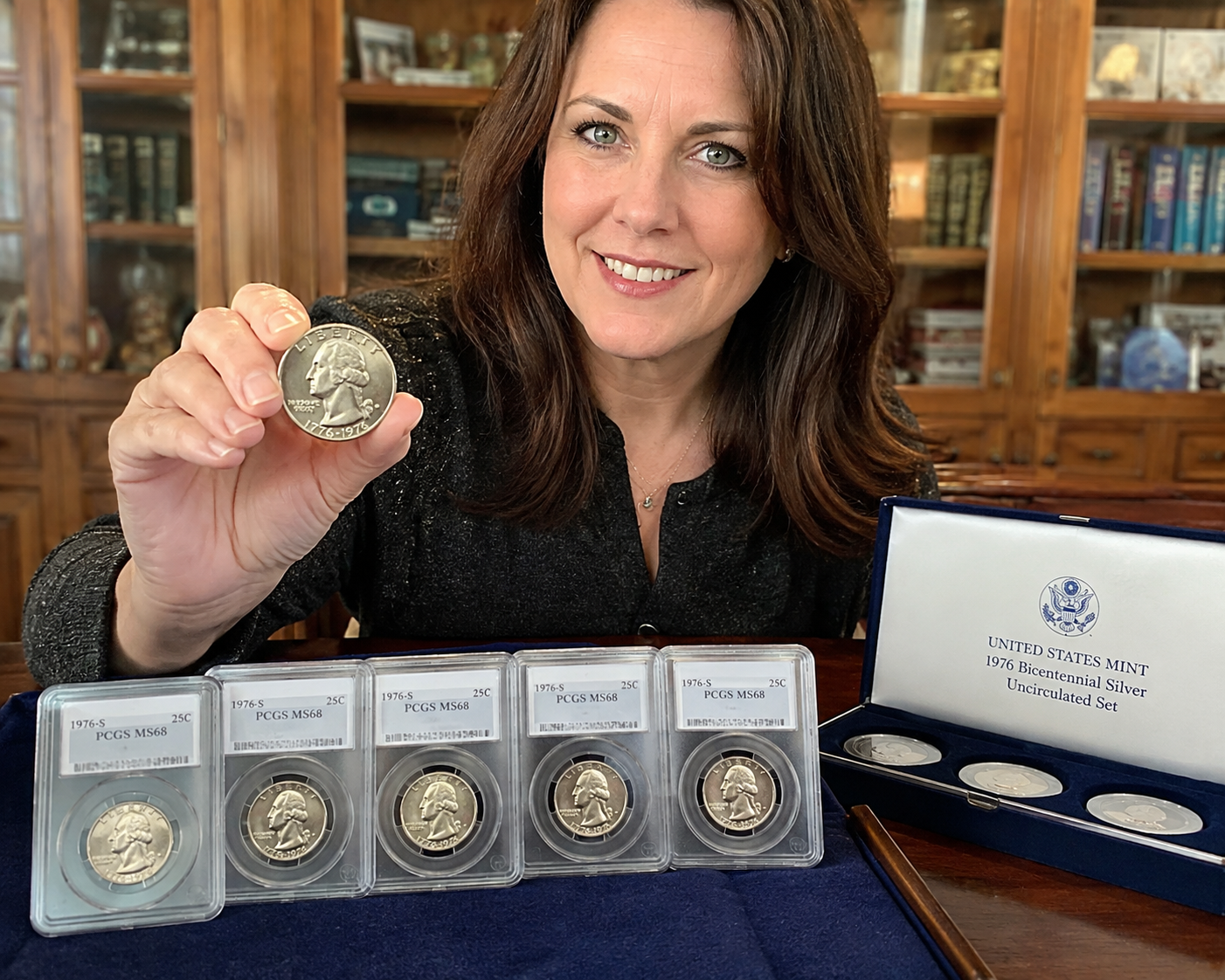
The 1976 Bicentennial Quarter is one of the most recognizable commemorative coins in American history. Created to celebrate the 200th anniversary of American independence, these quarters feature a distinctive reverse design showing a Colonial drummer alongside a torch and thirteen stars. Millions were produced, making ordinary examples relatively common. However, certain unusual specimens can attract significant attention from collectors.
Rare varieties, dramatic mint errors, exceptional condition, unusual compositions, and strong certification can make particular Bicentennial Quarters much more desirable. In exceptional cases, collectors may encounter coins discussed in the market at values approaching $50,000. Here are five types worth knowing about.
1. Exceptional Proof Bicentennial Quarter
A highly preserved proof Bicentennial Quarter can become an impressive addition to a serious collection. Proof coins were specially manufactured for collectors, receiving polished planchets and carefully prepared dies that create sharper details and reflective surfaces.
A coin with virtually flawless surfaces, strong contrast, and professional certification can command considerably more attention than an ordinary circulated quarter. Collectors particularly appreciate specimens with outstanding eye appeal and extremely high grades.
While most proof Bicentennial Quarters are not worth anywhere near $50,000, exceptionally rare combinations of condition, errors, and collector demand can produce dramatically higher valuations. Anyone discovering a pristine example should avoid cleaning it because cleaning can permanently reduce its collectible value.
2. Major Mint-Error Bicentennial Quarter
Mint errors are among the most fascinating discoveries in coin collecting because they occur during the manufacturing process. A Bicentennial Quarter displaying a major, authenticated error can be considerably more valuable than a normal example.
Possible error categories include dramatic strikes, wrong-planchet errors, off-center strikes, doubled features, and unusual die-related mistakes. The size, visibility, rarity, and authenticity of an error all influence its potential market value.
A spectacular error combined with excellent preservation could become a centerpiece for a collection. Claims of $50,000 valuations should always be approached carefully, however, because actual selling prices depend on authentication, grade, rarity, and what buyers are willing to pay at auction.
3. High-Grade Silver Bicentennial Quarter
Some Bicentennial Quarters were produced in special silver compositions intended for collectors. These coins are particularly interesting because they differ from the copper-nickel circulation quarters that most people encountered in everyday transactions.
A silver Bicentennial Quarter in extraordinary condition can attract serious attention from collectors, especially when it receives a top professional grade. Sharp details, attractive surfaces, original luster, and excellent preservation can all contribute to desirability.
A rare combination involving silver composition, exceptional grade, and an unusual minting characteristic could potentially command a substantial premium. Nevertheless, collectors should distinguish genuine rarity from exaggerated online price claims and rely on professional grading and documented sales whenever possible.
4. Rare Variety With Distinctive Minting Characteristics
Varieties can make seemingly ordinary Bicentennial Quarters much more interesting. Small differences in dies, lettering, design elements, or other production characteristics sometimes attract specialized collectors who carefully study these coins.
The challenge is determining whether a suspected variety is genuinely recognized and scarce. A minor visual difference does not automatically make a quarter extremely valuable. Collectors should compare the coin with reliable reference materials and seek expert opinions when necessary.
A genuinely scarce variety in outstanding condition can become highly desirable, particularly when relatively few examples are known. If such a coin also possesses an important mint error, its appeal could increase substantially. This is why experienced collectors examine details that casual observers often overlook.
5. Extraordinary Condition With Professional Certification
Condition can make an enormous difference in the collectible-coin market. Two Bicentennial Quarters with identical dates and designs can have dramatically different values if one is heavily circulated while the other remains exceptionally well preserved.
Coins with pristine surfaces, sharp strikes, attractive luster, and minimal imperfections can receive high grades from professional grading services. Certification gives buyers greater confidence that the coin has been properly examined and attributed.
An exceptionally graded Bicentennial Quarter with an additional rarity, such as a major error or scarce variety, can become especially valuable. Although $50,000 is an extraordinary figure, the combination of rarity, condition, provenance, certification, and collector demand is what ultimately determines whether a coin can command such a premium.
Conclusion
Bicentennial Quarters remain fascinating pieces of American numismatic history, but not every 1976 quarter is a hidden fortune. Most examples are worth modest amounts, while genuinely scarce errors, unusual varieties, special compositions, and exceptional grades can attract substantial premiums.
If you believe you have an unusually valuable Bicentennial Quarter, do not polish, clean, scratch, or alter it. Preserve it carefully and consider having it examined by a reputable coin dealer or professional grading service. Most importantly, compare any claimed $50,000 valuation with documented auction results rather than relying solely on sensational online headlines.
Frequently Asked Questions
1. Are all 1976 Bicentennial Quarters valuable?
No. Millions of Bicentennial Quarters were produced, and ordinary circulated examples generally have limited collectible premiums. Exceptional errors, varieties, silver examples, and very high-grade coins are much more interesting to collectors.
2. What makes a Bicentennial Quarter potentially worth $50,000?
A combination of extreme rarity, an important mint error, exceptional condition, recognized variety, desirable composition, certification, and strong collector demand could potentially produce an unusually high valuation.
3. Should I clean my old Bicentennial Quarter?
Absolutely not. Cleaning can create scratches, remove original surfaces, and significantly damage collectible appeal. It is generally better to leave potentially valuable coins in their original condition.
4. How can I determine whether my Bicentennial Quarter is rare?
Start by examining its date, mint mark, composition, condition, and unusual characteristics. Compare it with reputable numismatic references and consider professional authentication if you suspect a significant error or rare variety.
5. Where can a valuable Bicentennial Quarter be professionally evaluated?
A reputable coin dealer, established numismatic auction company, or professional coin-grading service can help authenticate and evaluate a potentially rare specimen. Independent verification is particularly important when very high valuations are being claimed.

Prakash Kumar is a seasoned journalist and storyteller with 12 years of experience creating clear, engaging news content for digital audiences. His reporting spans automobile launches, emerging technology, consumer gadgets, health and diet tips, and everyday lifestyle trends. Known for turning complex information into useful, reader-friendly stories, Prakash combines careful research with a sharp editorial eye. He follows industry developments closely, interviews experts, and delivers timely articles that help readers make informed choices. Whether covering a new car, a smart device, or practical nutrition advice, Prakash brings accuracy, curiosity, and approachable writing to every story he publishes for news readers.